
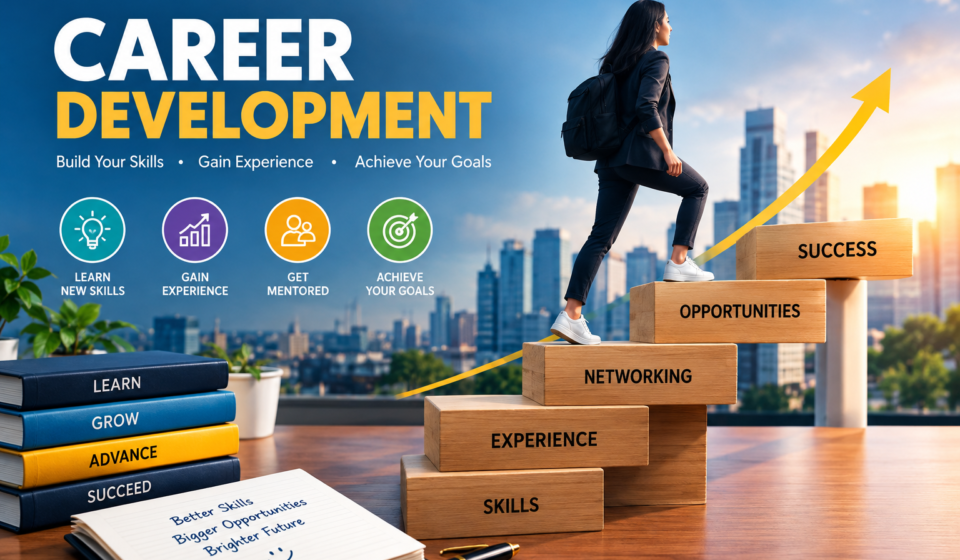

Standing still in your job is the fastest way to fall behind. Strategic career development gives you the steering wheel to drive your professional life forward instead of waiting around for a lucky break. Whether you want a higher salary, a promotion, or a complete industry pivot, taking control of your personal growth changes everything.
Building a resilient professional path requires direct action, continuous learning, and clear direction. When you invest time into targeted skill building, you build real influence and open doors to incredible opportunities.
Why Strategic Career Development Matters Today
The modern workplace shifts fast. Skills that set you apart five years ago are now basic expectations. Taking charge of your growth keeps your expertise fresh and protects your employment security.
Active professional planning helps you spot emerging industry trends early. Instead of reacting to sudden workplace changes, you position yourself as a forward-thinking problem solver ready for higher roles.
Clear direction boosts your daily workplace satisfaction. Knowing your long-term destination makes routine daily projects feel purposeful, turning mundane tasks into clear steps toward your ultimate target.
Key Pillars for Continuous Professional Growth
Consistent progress relies on actionable habits rather than good luck. Focusing your energy on high-impact habits yields massive long-term results.
- Targeted Upskilling: Focus on high-value hard skills that directly increase your day-to-day workplace output.
- Network Expansion: Build genuine relationships across your industry before you actually need new opportunities.
- Visibility Building: Share your work achievements and insights publicly through online professional channels.
- Feedback Loops: Actively ask your manager and peers for constructive critiques to spot hidden blind spots.
Practical Steps for Daily Skill Building
Allocate thirty minutes each day strictly for personal expansion. Read industry publications, complete short online tutorials, or practice new software tools directly relevant to your target role. Small daily efforts compound into massive competitive advantages over a single year.
Comparing Growth Mindsets for Fast Success
Adopting the right professional approach dictates how quickly you move up the organizational ladder.
| Career Growth Trait | Passive Approach | Proactive Approach |
| Skill Building | Only attends mandatory company trainings | Learns new industry tools independently |
| Networking | Talks only to immediate teammates | Connects across departments and industries |
| Goal Setting | Waits for annual performance reviews | Sets and reviews quarterly personal targets |
| Problem Solving | Reports issues and waits for instructions | Proposes clear solutions alongside the problem |
Practical Takeaways and Your Next Steps
Your long-term career development starts with simple, intentional choices made today. Define your core career goals clearly, map out the technical skills required to reach them, and start building those competencies step by step. Growth is an ongoing practice, not a single destination. Take full ownership of your professional direction right now and watch your trajectory transform.
Frequently Asked Questions
What is the first step in personal career development?
The first step is conducting a clear self-assessment to identify your strengths, weaknesses, and primary long-term professional targets.
How often should I update my career goals?
Review your professional targets every six months to ensure they match evolving industry standards and your changing personal interests.
Can I manage my professional growth without manager support?
Yes, while manager support helps, you can drive your own progress through online learning, personal projects, and outside networking.