
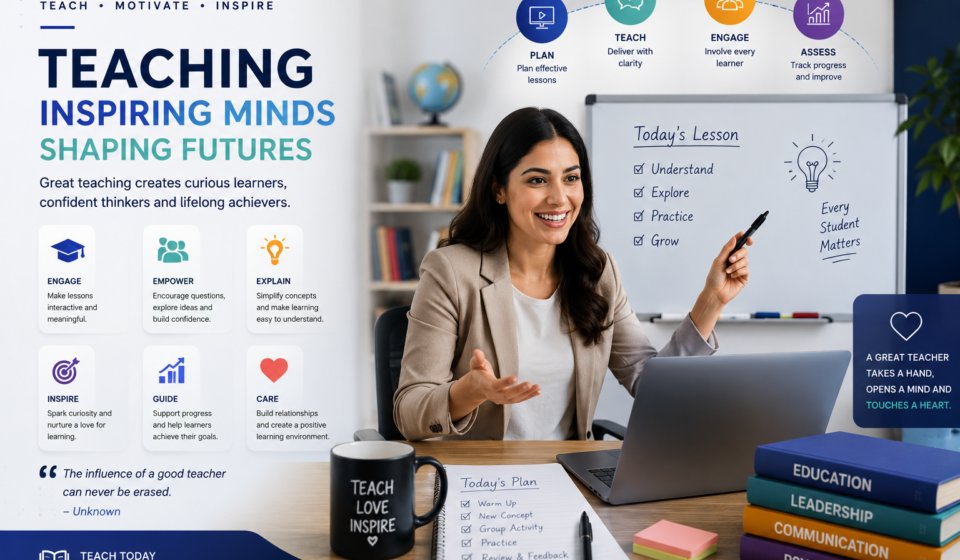

Great instruction transforms lives and shapes the future of society. Whether you are leading a traditional classroom, mentoring new team members at work, or running an online course, mastering the craft of teaching is key to unlocking human potential.
Effective instruction goes far beyond delivering a lecture. It involves connecting with learners, breaking down complex ideas, and creating an environment where curiosity thrives. By updating your instructional methods, you can make every lesson memorable, engaging, and impactful for learners of all backgrounds.
The Evolution of Effective Teaching in the Modern Era
Instructional methods have undergone a massive shift in recent years. Moving away from rigid, lecture-only formats, modern educators embrace interactive and student-centered approaches. Today, effective educators act as facilitators who guide learners through hands-on discovery rather than passive listening.
This shift helps students build critical thinking skills alongside subject mastery. When learners analyze problems and work through solutions themselves, they process information at a much deeper level.
Adapting your instruction style to meet different learning preferences ensures no student gets left behind. Combining visual aids, active discussions, and practical exercises keeps engagement high across the board.
Core Pillars of High-Impact Instruction
Successful educators rely on specific foundational habits to drive real results. Focus on these core elements to upgrade your instructional impact:
- Clear Communication: Express complex ideas in plain, relatable language to build immediate understanding.
- Active Engagement: Incorporate live polls, group discussions, and interactive exercises to keep attention sharp.
- Continuous Feedback: Offer timely, constructive guidance so learners can correct mistakes quickly.
- Empathy and Connection: Build strong relationships to create a supportive space where students feel safe taking creative risks.
- Flexible Pacing: Adjust your lesson speed based on how well the group grasps key concepts.
Applying these pillars regularly creates a positive environment where students feel motivated to excel every day.
Designing Interactive Lessons That Grab Attention
To maximize student focus, structure your time into dynamic, bite-sized segments. Start with a five-minute hook, such as a surprising question or real-world problem, to generate instant interest. Follow up with brief concept explanations, and immediately transition into a quick hands-on activity.
Comparing Traditional and Modern Instructional Approaches
Choosing the right instructional framework depends on your setting, audience, and learning goals. Here is how traditional and modern methods compare:
| Feature | Traditional Methods | Modern Student-Centered Approach |
| Primary Role | Teacher as sole authority | Teacher as guide and facilitator |
| Student Action | Passive listening and note-taking | Active problem-solving and collaboration |
| Pacing | Fixed schedule for the entire group | Flexible pacing based on mastery |
| Primary Focus | Memorization for exams | Practical application and critical thinking |
Practical Takeaways for Future Success
Mastering the art of teaching is a continuous journey of learning, adapting, and growing alongside your students. Embracing student-centered strategies, interactive tools, and clear communication helps you deliver lasting value in any instructional setting.
Choose one practical technique to refine in your next lesson, such as introducing active recall exercises or interactive discussion hooks. Small, intentional updates to your approach will yield powerful improvements in student engagement and overall achievement.
Frequently Asked Questions
What is the most important quality of a great teacher?
Strong empathy combined with clear communication helps educators understand student needs and explain complex ideas simply.
How can I make my lessons more interactive?
Incorporate short group discussions, quick live quizzes, and hands-on problem-solving activities throughout your lesson.
How do I maintain control in a busy classroom?
Establish clear expectations early, maintain consistent routines, and keep students actively engaged in structured tasks.