
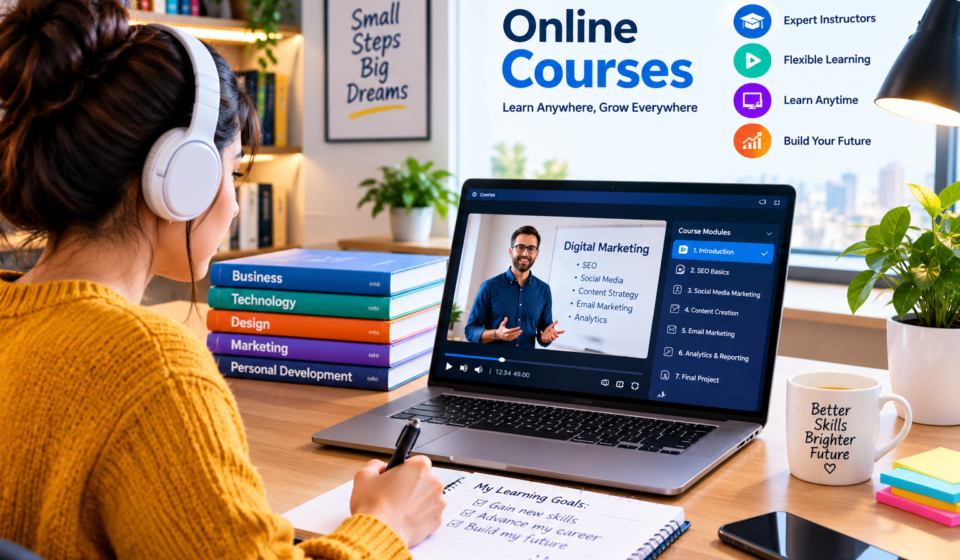

Digital learning has completely transformed how ambitious professionals acquire fresh skills, pivot careers, and achieve personal growth. Taking targeted online courses allows you to learn at your own pace, skip unnecessary fluff, and master high-income skills directly from industry experts. Whether you want to learn programming, study digital marketing, or lead cross-functional teams, flexible digital classrooms offer unprecedented access to global talent. Modern online courses fit seamlessly around full-time jobs, family commitments, and busy schedules. Investing in structured learning gives you a clear competitive edge in an evolving workforce where adaptability wins. Here is how smart learners pick top-tier classes to land real results.
The Rise of Flexible Digital Classrooms
High-quality online courses offer a powerful alternative to traditional degrees, cutting out heavy commute times and high tuition costs. Students control their schedule, rewinding complex lectures or accelerating through topics they already understand.
Interactive learning platforms combine short video modules, hands-on projects, and active peer forums. This practical structure helps knowledge stick, turning abstract concepts into real workplace skills.
Modern digital classes cater to diverse learning styles through video, audio transcripts, and downloadable templates. Flexible learning ensures anyone with internet access can upskill without putting their daily life on hold.
Key Highlights for Choosing Top-Tier Programs
Not all virtual classes deliver equal value, so selecting the right program requires careful evaluation. Look for these core elements before enrolling in any digital curriculum.
- Verified Portfolio Projects: Choose programs that require real assignments so you graduate with a tangible portfolio.
- Industry-Recognized Microcredentials: Pick options backed by top tech firms or universities to boost your resume.
- Active Community Support: Seek platforms offering moderated forums, live Q&A calls, and instructor feedback.
- Self-Paced Access: Ensure you get long-term access to lesson updates so your skills stay relevant.
Practical Tips to Boost Completion Rates
Set aside fixed calendar blocks dedicated purely to video lessons and coursework. Treat these blocks as non-negotiable appointments to maintain consistent momentum week after week.
Participate actively in discussion boards to build connections with fellow students. Explaining core concepts to peers reinforces your understanding while expanding your professional network.
Comparing Traditional Education and Online Courses
Selecting the right pathway depends on your budget, timeline, and career goals.
| Feature | Traditional Degree | Digital Online Courses |
| Schedule Flexibility | Fixed hours, mandatory attendance | 100% self-paced or hybrid |
| Total Cost | High tuition plus campus fees | Low cost or subscription-based |
| Curriculum Updates | Multi-year review cycles | Updated continuously to match industry shifts |
| Learning Format | Classroom lectures | Bite-sized microlearning video units |
| Career Speed | Takes 2–4 years to finish | Finish in weeks or months |
Practical Takeaways and Future Learning Trends
Enrolling in online courses provides an agile, budget-friendly pathway to upgrade your skills without interrupting your daily career momentum. As artificial intelligence and adaptive platforms continue to personalize education, distance learning will become even more immersive. Prioritize action over passive viewing, practice your new skills immediately, and keep building your professional portfolio. Taking control of your education today guarantees you remain adaptable, competitive, and prepared for tomorrow’s job market.
Frequently Asked Questions
Are certificates from online courses valued by top employers?
Yes, employers respect accredited certificates and practical portfolios, especially when hiring for tech, design, and marketing roles.
How do I stay motivated during self-paced learning?
Break your weekly goals into daily 20-minute study blocks, track your streak, and engage with online study groups.
What equipment do I need to start a digital course?
A stable internet connection, a basic computer or laptop, and dedicated time each week are all you need to get started.