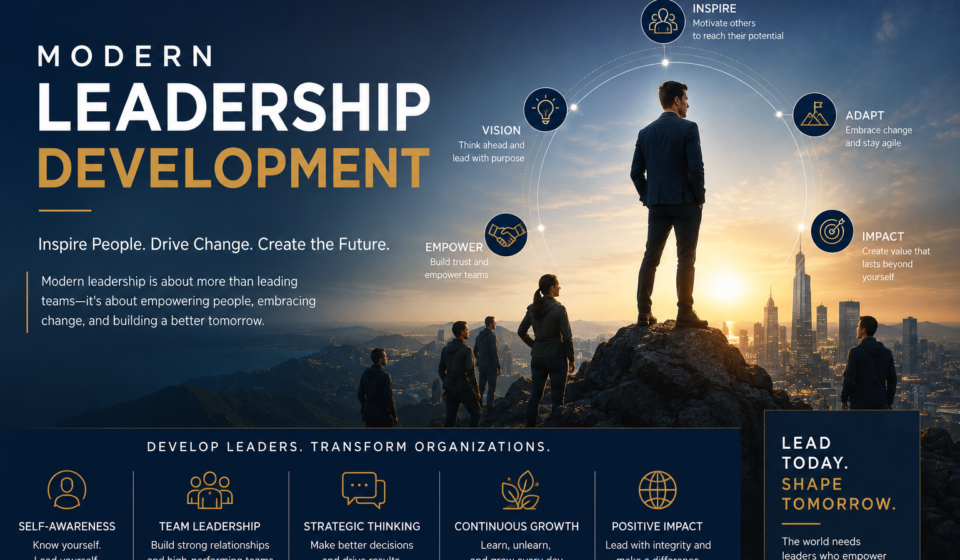

Strong management drives business growth, but traditional training often falls short in today’s fast-paced corporate world. Modern leadership development bridges the gap between basic management skills and high-impact organizational leadership. Organizations that invest in developing their talent build resilient teams, retain top performers, and navigate market changes with confidence. Effective programs focus on actionable communication, emotional intelligence, and strategic vision rather than outdated theory. By prioritizing structured growth for high-potential employees, businesses ensure long-term stability and foster a culture of continuous innovation.
The Core Concept of Strategic Capability Growth
True team growth transforms managers into visionaries who inspire action and drive measurable results. Modern leadership development focuses on practical skill acquisition tailored to complex business challenges.
Instead of relying on isolated workshops, top organizations implement continuous learning frameworks. These programs combine hands-on projects, executive coaching, and peer feedback to build strong decision-making habits.
Core growth areas include:
- Emotional Intelligence: Understanding team dynamics, building trust, and managing workplace stress effectively.
- Strategic Thinking: Aligning day-to-day team operations with long-term company goals and market shifts.
- Adaptability: Leading teams through digital transformations and unexpected industry disruptions.
Key Highlights of Effective Executive Programs
Building a successful growth strategy requires a structured approach that balances individual mentoring with organizational needs.
- Tailored Mentorship: Pairing rising talent with seasoned executives accelerates knowledge transfer and expands strategic thinking.
- Action-Based Learning: Assigning real business challenges lets managers practice risk management in safe environments.
- Continuous Feedback: Regular 360-degree performance reviews help leaders identify blind spots and refine communication styles.
- Cross-Functional Rotation: Exposing managers to sales, product development, and operations builds well-rounded business instincts.
Actionable Tip: Constructing Personal Growth Frameworks
Individuals looking to advance their careers should take control of their own professional trajectory. Start by selecting two core competencies to master over a six-month period, such as financial forecasting or conflict resolution.
Schedule weekly self-reflection sessions to track progress on key projects. Seek out direct feedback from peers and supervisors after major presentations or product launches to identify immediate areas for improvement.
Program Framework Comparison
Selecting the right training structure depends on company size, budget, and organizational goals.
| Framework Style | Target Audience | Primary Focus | Typical Timeline |
| Executive Coaching | Senior Directors & VPs | Strategic Vision & Culture | 6 to 12 Months |
| Peer Mentorship | Mid-Level Managers | Cross-Department Collaboration | Ongoing |
| Cohort Workshops | Emerging Leaders | Foundational Management Skills | 3 to 6 Months |
| Micro-Learning Apps | All Staff Levels | Daily Skill Building | Self-Paced |
Practical Takeaways and Future Growth Outlook
The future of workforce growth relies on hyper-personalized learning platforms and data-driven skill assessment. As hybrid work models expand, managers must master virtual communication and remote team engagement. Investing in robust leadership development ensures that your organization stays competitive, attracts elite industry talent, and adapts to economic shifts seamlessly.
Frequently Asked Questions (FAQs)
What is the main goal of executive growth programs?
The primary goal is to prepare managers to handle complex strategic challenges, lead teams effectively, and drive long-term business growth through improved communication and decision-making skills.
How do companies measure program success?
Organizations track metrics like internal promotion rates, employee retention figures, team productivity levels, and overall business performance after program completion.
Can emerging talent build management skills independently?
Yes, ambitious professionals can build management skills through self-study, seeking out industry mentors, taking online certifications, and volunteering for cross-departmental projects.