

Finding safe and engaging baby entertainment turns everyday routines into joyful bonding moments for you and your infant. During the first year of life, play is much more than simple fun. It serves as the primary way infants explore surroundings, build motor skills, and process new sensory information. From interactive floor games to soft music and colorful picture books, choosing age-appropriate activities supports early brain development while keeping your baby smiling. Navigating the huge world of toys and activities can feel overwhelming for new parents. Read on to discover simple, stress-free ways to entertain your baby while boosting healthy growth every day.
The Science of Play and Early Infant Development
Early play activities do far more than keep infants occupied while parents handle daily household chores. Sensory stimulation actively sparks neural connections in a developing brain during the crucial first twelve months.
When babies touch different textures, track moving objects, or listen to soft melodies, their brains process vital environmental data. These daily interactive moments build strong foundations for spatial awareness, language comprehension, and emotional trust.
In addition, varied play routines prevent boredom and reduce fussiness throughout the day. Rotating simple activities keeps your baby curious, calm, and eager to learn without causing sensory overload.
Top Categories of Baby Entertainment for Everyday Fun
Let’s look at the most effective, stress-free activity types that entertain infants while supporting key physical milestones.
- Sensory Exploration: Introduce soft rattles, textured crinkle toys, and safe mirrors to help infants discover cause and effect through touch and sound.
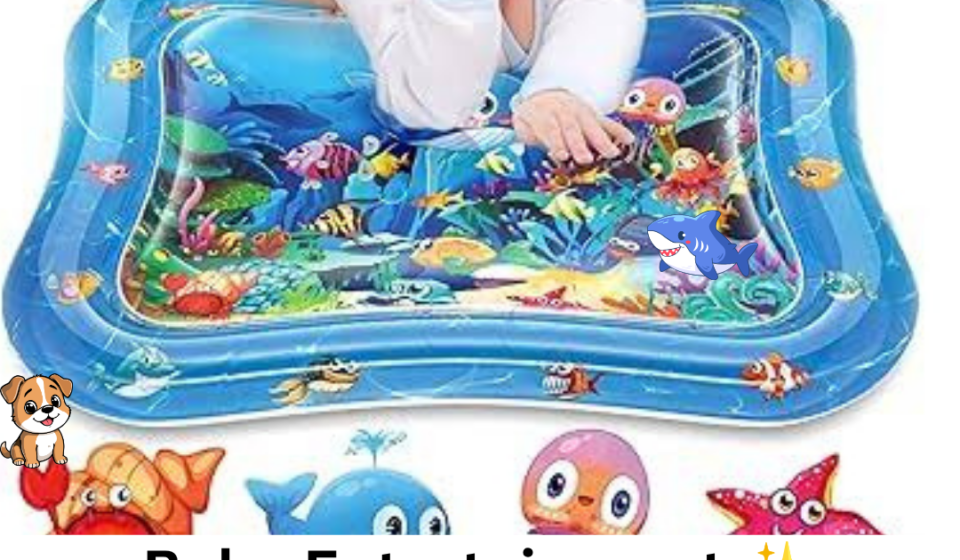
- Tummy Time Play: Use colorful play mats, water-filled sensory pads, and low-lying toys to strengthen neck, shoulder, and core muscles safely.
- Interactive Music and Rhymes: Sing simple nursery rhymes, clap hands, or play gentle acoustic music to boost auditory processing and early language skills.
- Visual Tracking Games: Move high-contrast black-and-white cards or soft plush toys slowly across your baby’s field of vision to build eye strength.
- Outdoor Nature Strolls: Take daily stroller walks to expose your infant to fresh air, gentle breezes, rustling leaves, and natural sunlight.
Practical Tip: Creating a Safe Sensory Bin at Home
You do not need expensive gadgetry to provide high-quality fun for your growing infant at home. A simple homemade sensory bin offers endless entertainment using everyday household items.
Fill a shallow, smooth plastic container with a few inches of warm water and float colorful plastic scoops or large floating bath toys inside. Place your baby securely on their tummy or in your lap to let them splash gently under close supervision.
Alternatively, fill clean plastic bottles with water, colorful beads, and glitter, then seal the caps tightly with strong tape. These homemade discovery shakers give babies captivating visual and auditory feedback completely mess-free.
Matching Play Activities to Your Baby’s Age and Stage
Choosing age-appropriate activities ensures your infant stays interested without feeling overwhelmed or frustrated.
| Age Range | Primary Developmental Focus | Best Activity Option | Key Benefit |
| 0 to 3 Months | Visual tracking & head control | High-contrast cards & short tummy time | Strengthens neck muscles and optic nerves |
| 3 to 6 Months | Hand-eye coordination & grasping | Soft rattles & textured sensory rings | Improves reach-and-grab reflexes |
| 6 to 9 Months | Sitting stability & cause-and-effect | Peek-a-boo & pop-up interactive toys | Builds object permanence & memory |
| 9 to 12 Months | Spatial awareness & mobility | Stacking blocks & low push-toys | Encourages crawling and early standing |
Practical Takeaways for Joyful Daily Play
Providing enriching baby entertainment does not require complicated schedules or costly gadgets. The best moments often come from simple, face-to-face interactions like singing songs, playing peek-a-boo, and sharing gentle tummy time together. Pay attention to your baby’s cues to know when they need a change of pace or a quiet rest period. Rotating toys weekly keeps familiar items feeling fresh, exciting, and ready for new adventures. Enjoy these special play sessions as you watch your baby learn, laugh, and grow every day.
Frequently Asked Questions (FAQs)
How much daily play time does a newborn actually need?
Newborns need short play sessions lasting 5 to 10 minutes at a time while awake, as they tire quickly and require frequent rest.
What are the safest home items for entertaining an infant?
Safe options include soft silicone spoons, clean plastic measuring cups, large wooden rings, and homemade sensory bottles securely sealed with tape.
How do I know if my baby is overstimulated by play?
Signs of overstimulation include turning their head away, fussiness, rubbing eyes, clenching fists, or sudden crying during an activity.
Is screen time recommended for infant engagement?
Pediatric guidelines advise avoiding digital screens for infants under 18 months, favoring real-world sensory play and personal human interaction instead.