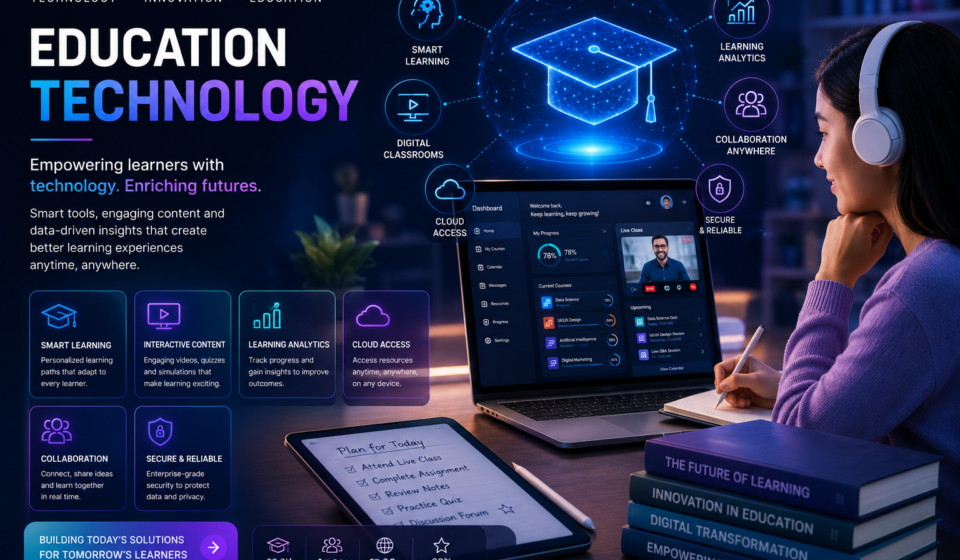

Modern classrooms look vastly different today than they did just a decade ago. Classrooms are trading physical textbooks for interactive tablets, and lectures are giving way to personalized online modules. Adopting modern education technology gives learners of all ages the power to master complex subjects at their own speed while opening doors to exciting career paths.
Integrating smart digital tools into study habits helps bridge gaps in understanding and boosts long-term retention. Understanding how these tools work empowers students, teachers, and professionals to build sharper skills in a fast-paced world.
The Evolution of Education Technology in Modern Learning
Digital learning platforms have transformed traditional classrooms from passive listening spaces into dynamic hubs of active engagement. Teachers no longer rely solely on chalkboards and heavy physical textbooks. Instead, interactive software lets students run science simulations, solve complex math problems in real time, and collaborate with peers across the globe.
This tech shift allows educators to adapt lessons to individual learning speeds. Fast learners can dive ahead into advanced topics without waiting for the rest of the class. Meanwhile, students who need extra time can review video explanations and take practice quizzes without feeling rushed or left behind.
Accessibility is another huge advantage brought by modern digital tools. Geographical boundaries vanish when top-tier learning materials are available over an internet connection. Students living in rural or underserved areas now gain direct access to expert tutors, university courses, and specialized training programs previously out of reach.
Essential Highlights of Modern Digital Learning Tools
Smart study tools rely on distinct features to improve focus and keep users motivated. Explore these key highlights reshaping modern studying habits:
- Adaptive Learning Platforms: Programs adjust question difficulty based on student performance to maintain ideal challenge levels.
- Interactive Simulations: Digital labs allow science and engineering students to run experiments safely from home.
- Gamified Progress Tracking: Badges, daily streaks, and points motivate learners to maintain steady daily study routines.
- Automated Instant Feedback: Quizzes grade automatically, offering immediate explanations to correct errors on the spot.
- Cloud Collaboration: Shared documents allow group projects to happen smoothly in real time from anywhere.
Utilizing these interactive features helps build sharp analytical skills while keeping screen time productive and structured.
Maximizing Daily Productivity with Tech Tools
To get the most out of digital platforms, avoid trying to use every new app at once. Select two or three reliable tools that match your specific goals, such as a flashcard app for memorization and a shared workspace for notes. Dedicate short, focused intervals to these platforms every day to prevent digital fatigue and build lasting mastery.
Comparing Popular Tech Approaches in Classrooms
Different technologies serve distinct learning environments. Here is a breakdown of how common digital models compare:
| Learning Model | Primary Focus | Best Use Case | Main Advantage |
| Gamified Apps | Skill Drills & Vocabulary | Daily practice for languages and basic math | High user engagement and quick daily rewards |
| Virtual Classrooms | Live Instruction & Lectures | Distance degree programs and remote schools | Real-time teacher interaction from home |
| AI Tutors & Apps | Personalized Problem Solving | Homework help and custom study plans | Instant step-by-step feedback tailored to you |
| VR/AR Labs | Hands-On Visual Immersion | Medical training and complex science labs | Safe environment to practice real-world skills |
Smart Takeaways for the Future of Learning
Integrating modern education technology into daily study habits gives you total control over personal and professional development. Flexible software, instant feedback, and global access make mastering new subjects simpler and more engaging than ever.
Pick one area of study you want to upgrade today and test a specialized digital tool to accelerate your progress. Set clear goals, practice consistently in short sessions, and watch your skills grow exponentially over time.
Frequently Asked Questions
How does technology help students learn faster?
Tech platforms adapt to individual learning speeds, offering instant feedback and interactive explanations that help students grasp difficult concepts quickly.
Can digital learning tools completely replace teachers?
No, digital tools support educators by handling administrative grading and providing practice drills, allowing teachers to focus on mentorship and deep instruction.
What is the most effective way to start using tech tools for studying?
Start small by choosing one active learning tool, like a flashcard app or project workspace, and build a habit of using it for 15 minutes daily.