
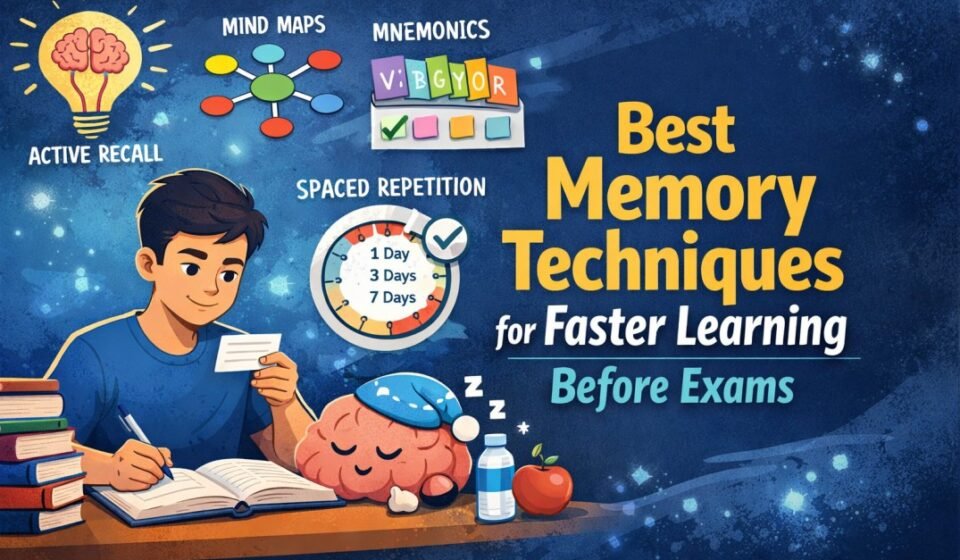

Unlocking your brain’s full potential starts with using the best memory techniques for learning. Whether you are prepping for a tough test, picking up a new language, or trying to remember complex work information, traditional rote memorization often falls short. Your mind naturally remembers vivid images, clear patterns, and personal connections far better than plain textbook text. By adopting proven memory systems, you can store massive amounts of knowledge in a fraction of the time. Get ready to transform how you absorb information as we explore high-impact strategies that make studying effortless, engaging, and remarkably fun.
How Your Brain Stores and Recalls Information
Understanding how memory works gives you a massive advantage when studying new topics. Your brain processes incoming data through three distinct stages: encoding, storage, and retrieval.
When you first read a fact, your short-term memory holds it briefly. Without immediate action, that information fades away within seconds.
Effective learning relies on moving facts into long-term storage. You achieve this by creating strong sensory associations and returning to the material at structured intervals.
When you attach emotion, imagery, or personal meaning to a concept, your mind creates robust neural connections. These strong mental links make retrieval during exams or presentations quick and automatic.
Best Memory Techniques for Learning and Rapid Retention
Let’s break down world-class mental frameworks that memory champions and top students rely on to store data quickly.
- The Method of Loci (Memory Palace): Mental mapping technique where you anchor facts along a familiar physical path inside your house or school.
- The Major System: A clever phonetic method that converts numbers into consonant sounds, turning complex dates and codes into easy visual images.
- Mnemonic Acronyms: Creating short, catchy words or phrases using the first letter of each item in a list you need to remember.
- Visualization and Peg Words: Linking numbers to rhyming words or visual objects to keep lists ordered in your mind effortlessly.
- The Chunking Strategy: Grouping individual pieces of information into smaller, logical sets to expand your short-term memory capacity.
Master the Memory Palace in Three Simple Steps
To build your first memory palace today, start by visualizing a place you know inside out, like your own living room or daily walk to class.
Identify five specific stops along your route, such as your front door, kitchen counter, or living room couch. Assign one piece of study information to each location using dramatic, bizarre visual scenes.
When you need to recall the facts during a quiz, simply take a mental stroll down your route. Watching the vivid images pop up in order brings back the answers instantly.
Comparing the Best Memory Techniques for Learning
Different mental systems work best depending on the type of information you need to absorb quickly.
| Memory System | Primary Focus | Setup Time | Ideal Subject Matter |
| Memory Palace | Sequential Lists & Stories | Medium | History, Literature, Speeches |
| Mnemonic Devices | Short Lists & Terms | Low | Science Concepts, Anatomy |
| Chunking System | Number Groups & Data | Very Low | Math Formulas, Phone Numbers |
| Major System | Dates & Numeric Data | High | Historical Dates, Statistics |
| Spaced Repetition | Long-Term Retention | Low | Vocabulary, Foreign Languages |
Future Outlook: Best Memory Techniques for Learning Long Term
Upgrading your memory system shifts study time from boring repetition to creative problem solving. Consistently using visual tools, chunking methods, and association systems rebuilds your study confidence and cuts preparation time in half. Modern digital flashcard applications and cognitive training platforms make tracking your revision cycles easier than ever before. Consistently applying the best memory techniques for learning gives you a lifelong skill that pays continuous dividends across your academic and professional life.
Frequently Asked Questions (FAQs)
What is the single easiest memory method for complete beginners?
Mnemonic devices and acronyms are the simplest starting points. They require no setup time and work brilliantly for quick list memorization.
Can anyone build a functional memory palace?
Yes, absolutely. Anyone can create a memory palace because the system relies on spatial layout memories that your brain forms naturally every day.
How does spatial visualization improve my overall memory retention?
Human minds evolved to remember spatial locations and visual scenes far better than abstract text. Turning text into visual scenes leverages your natural mental strengths.
How often should I practice these mental strategies?
Practicing for just ten minutes daily helps turn these visualization tools into automatic habits whenever you read new study material.