
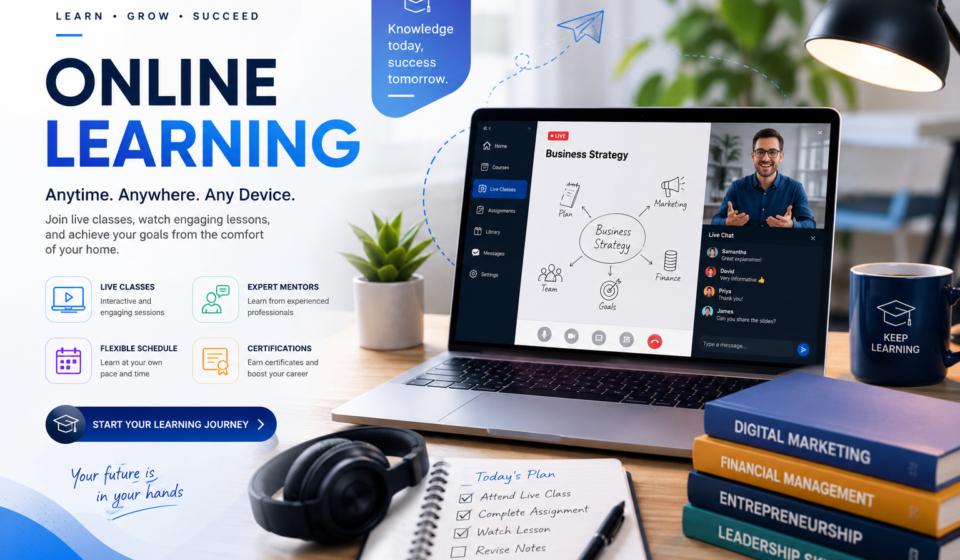

Learning online has completely changed how people gain new skills and advance their careers. Anyone with an internet connection can now learn coding, business management, graphic design, or language skills from home. Taking charge of your online learning journey gives you total freedom over your schedule while building real skills for today’s dynamic job market.
Whether you want to change careers or gain a fresh edge in your current job, digital study offers incredible flexibilty. Mastering this approach helps you process information faster, stay motivated, and achieve clear results.
Why Online Learning is Revolutionizing Personal Growth
The shift toward modern digital study is not just a temporary trend. Flexible internet-based programs allow you to learn at your own pace, skipping material you already know and spending extra time on tough concepts.
Traditional degree programs often require rigid schedules and long commutes. Digital education removes those physical boundaries entirely. You can study during early mornings, lunch breaks, or late evenings. This freedom helps busy professionals balance work, family commitments, and personal growth without burning out.
Modern platforms also use interactive tools like live video sessions, instant quizzes, and community discussion boards. These interactive features keep you engaged with the content, making complex topics easier to digest and retain.
Smart Habits for Success in Digital Classes
Staying focused while studying from home takes clear organization and consistency. Apply these practical habits to get maximum results from every digital course:
- Create a Dedicated Workspace: Set up a clean, quiet area reserved only for studying to reduce daily distractions.
- Block Time on Your Calendar: Schedule specific study appointments each week just as you would for an important meeting.
- Practice Active Note-Taking: Summarize video lessons in your own words instead of writing down every transcript word for word.
- Engage with Classmates: Participate in online forums, study groups, and chat rooms to discuss key concepts.
- Set Clear Weekly Goals: Break large courses into smaller targets, like completing one module or project per week.
Establishing a solid daily routine builds steady momentum and keeps you on track from start to finish.
A Practical Blueprint to Stay Focused Daily
Distractions easily break your concentration when studying on a laptop or tablet. Use the Pomodoro technique to maintain focus: work with total concentration for 25 minutes, then step away for a 5-minute break. Turn off phone notifications and block social media sites during work intervals to keep your mind clear.
Comparing Online Learning Formats
Choosing the right course format depends on your learning style, personal schedule, and career goals. Compare the popular formats below to find your best fit:
| Course Format | Schedule Flexibility | Feedback Speed | Practical Projects | Ideal For |
| Self-Paced Courses | Maximum (Learn Anytime) | Automated / Instant | Moderate | Independent, self-motivated learners |
| Live Bootcamps | Fixed Class Times | Fast (Instructor Led) | High (Real-World Focus) | Rapid career changers |
| Hybrid University Programs | Moderate Flexibility | Periodic Grading | Moderate to High | Structured degree seekers |
Practical Takeaways for Your Future Growth
Committing to structured digital study unlocks endless possibilities for personal advancement. Building strong habits around online learning empowers you to acquire valuable skills faster than ever before.
Start by picking one clear subject that matches your immediate goals. Pick a course format that fits your daily routine, set up a quiet workspace, and commit to 20 minutes of daily study. Regular progress adds up quickly and puts your career goals well within reach.
Frequently Asked Questions
How do I stay motivated during a self-paced course?
Set small, realistic daily targets and track your progress visually on a calendar. Joining online study groups also helps keep you accountable.
Are digital course certificates valued by employers?
Yes, modern employers value verified certificates and practical project portfolios that prove you possess actual hands-on skills.
How many hours a week should I spend studying online?
Most learners achieve great progress by dedicating 5 to 10 hours per week, broken into short daily sessions rather than one long weekend cram session.