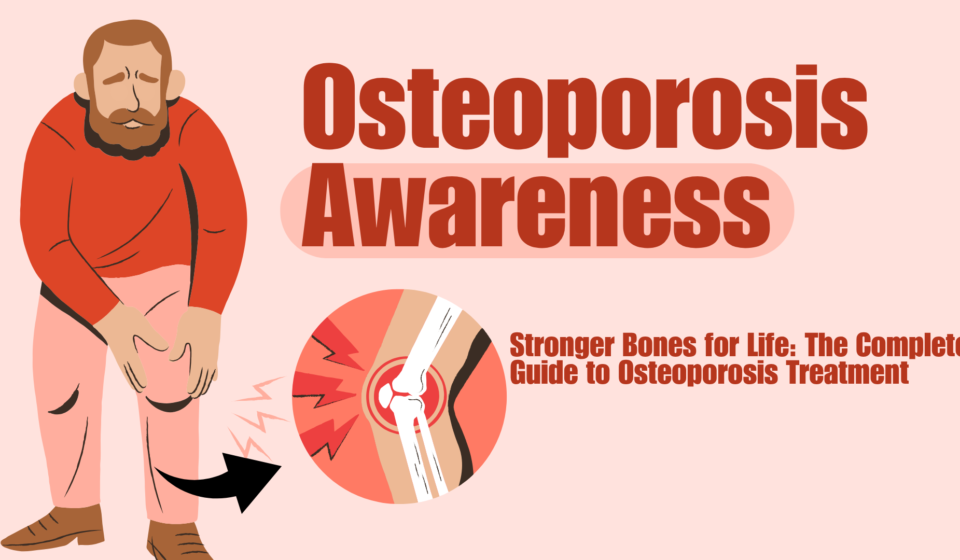

Maintaining strong, healthy bones is essential for preserving your independence, mobility, and overall vitality as you age. Finding the right osteoporosis treatment plan allows you to protect your skeleton, increase bone density, and prevent future fractures effectively. Bone loss often occurs silently over many years without noticeable warning signs until a sudden break happens. Fortunately, modern medical science offers powerful prescription therapies alongside targeted lifestyle strategies to reverse bone thinning and restore structural strength. Whether you are managing early bone loss or seeking advanced therapies, taking proactive steps today preserves your skeletal health for the future.
The Science of Bone Remodeling and Skeletal Health
Your skeleton is living, active tissue that constantly breaks down old bone cells and builds new ones. During youth, your body creates new bone faster than it removes old tissue, reaching peak bone mass around your mid-thirties.
As you age, the remodeling balance shifts, causing bone breakdown to outpace new cell formation. Hormonal changes, particularly decreasing estrogen levels during postmenopause, accelerate this structural decline.
When internal bone matrices become porous and brittle, simple daily activities like bending over or coughing can lead to painful fractures. Effective therapeutic interventions work directly by slowing down tissue breakdown or actively stimulating fresh cell growth.
Core Pillars of Effective Osteoporosis Treatment
A well-rounded therapeutic approach combines medical prescription options with targeted nutritional support and physical conditioning.
- Antiresorptive Medications: Bisphosphonates like alendronate and zoledronic acid slow down the natural rate of bone loss.
- Anabolic Bone-Builders: Advanced injectables such as romosozumab or teriparatide actively stimulate your body to build fresh bone mass.
- Essential Bone Minerals: Daily intake of 1,000 to 1,200 milligrams of calcium supports internal skeletal hardness.
- Vitamin D Activation: Consuming 600 to 800 IU of vitamin D daily ensures your digestive system absorbs calcium efficiently.
- Targeted Physical Training: Weight-bearing moves and resistance exercises encourage bones to retain minerals and stay strong.
Simple Daily Steps to Protect Skeletal Integrity
Start by assessing your home layout to eliminate common trip hazards like loose throw rugs or dimly lit hallways. Preventing accidental falls is just as vital as improving internal density numbers.
Incorporate weight-bearing activities into your daily routine, such as brisk walking, climbing stairs, or low-impact dancing. Practice balance-building exercises like tai chi to improve stability and body awareness.
Eliminate tobacco use completely and limit alcohol consumption to moderate levels. Both smoking and excessive drinking weaken bone architecture and interfere with mineral absorption.
Comparing Medical Interventions and Lifestyle Options
Different therapeutic paths offer distinct benefits depending on the severity of bone thinning and individual health profiles.
| Therapeutic Option | Primary Mechanism | Typical Frequency | Best Practical Use |
| Oral Bisphosphonates | Slows bone resorption | Weekly or Monthly | First-line defense for moderate bone loss |
| Injectable Monoclonals | Inhibits bone breakdown | Twice yearly | High fracture risk or kidney concerns |
| Anabolic Agents | Builds new bone tissue | Daily or Monthly | Severe cases with prior fractures |
| Targeted Exercise Routine | Stresses bones safely | 3 to 5 times weekly | Essential foundation for all patients |
| Nutritional Supplements | Provides building materials | Daily intake | Universal support alongside therapy |
Long-Term Outlook for Skeletal Wellness
Managing bone health requires a consistent, long-term commitment to active care. Regular dual-energy X-ray absorptiometry (DEXA) scans every one to two years help your doctor track bone density changes and refine your prescription plan. Many individuals find success using structured prescription cycles followed by maintenance routines to keep their skeleton resilient. Combining modern pharmaceutical tools with wholesome nutrition, weight-bearing workouts, and fall prevention creates a complete strategy for lasting protection. Embracing a personalized osteoporosis treatment plan today protects your mobility and keeps you moving confidently through every stage of life.
Frequently Asked Questions (FAQs)
Can bone loss be completely reversed with proper care?
While lost bone cannot always be fully restored to youthful levels, treatments can significantly rebuild mineral density, strengthen existing structures, and lower fracture risks.
How long do I need to take prescription bone medications?
Most patients follow a structured course for 3 to 5 years before doctors evaluate the need for a temporary treatment break or a switch to a different management plan.
What exercises should I avoid if I have thin bones?
Avoid high-impact jumping, forceful twisting of the spine, and deep forward bends at the waist, as these movements can place excessive pressure on fragile vertebrae.
How much calcium and vitamin D do I need every day?
Most adults with bone loss need 1,000 to 1,200 milligrams of calcium and 600 to 800 IU of vitamin D daily from dietary sources or supplements under medical guidance.